

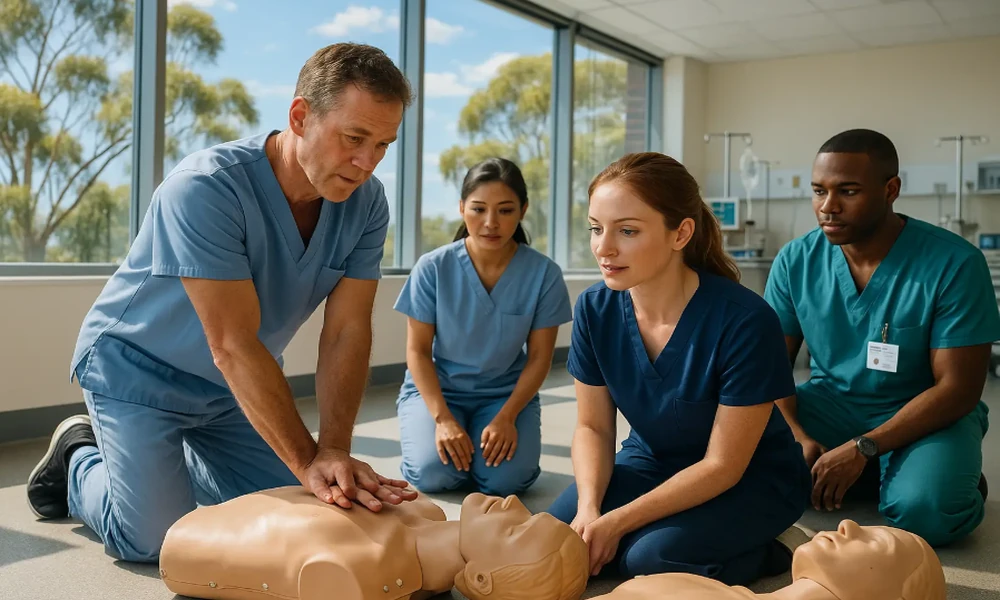
People who take resuscitation courses think they’re preparing for heroic moments. They practise on mannequins, learn the perfect chest compression technique, then imagine themselves calmly saving someone’s life. Reality hits differently. The first actual emergency is nothing like training. Your hands shake. Time distorts weirdly. The person’s family screaming in the background creates pressure no simulator replicates. Advanced resuscitation training prepares you technically, whilst leaving you completely unprepared emotionally for what actually happens. Understanding this gap between training and reality matters more than learning textbook procedures that everyone forgets anyway.
Mannequins Lie About Everything
Training dummies don’t crack ribs. Real people often do during proper CPR. Nobody mentions this until you’re in an actual situation and hear that horrifying crunch. Mannequins never vomit on you. People in cardiac arrest frequently do. They don’t suddenly regain consciousness mid-compression, creating ethical complications about continuing. Training feels controlled. Real emergencies feel apocalyptic. The disconnect between classroom comfort and actual chaos proves genuinely shocking. Instructors rarely discuss this psychological gap. They focus on technique because that’s measurable. The emotional reality gets glossed over entirely.
Guilt Arrives Regardless Of Outcome
People who successfully perform CPR sometimes feel guilty anyway. They saved someone’s life yet somehow feel they should have done more. This irrational guilt affects trained people constantly. Did you compress hard enough? Should you have used the defibrillator differently? These questions haunt survivors for years. People who failed to save someone experience devastating guilt that counselling barely touches. The training never addresses this psychological aftermath. Everyone assumes success means satisfaction. Experienced rescuers know it’s far messier. Some people never recover psychologically from resuscitation attempts, successful or otherwise.
Hesitation Happens Despite Training
Trained individuals still hesitate during actual emergencies. Knowing someone personally creates paralysis. What if you break their ribs? What if you harm them? The hypotheticals flood your mind exactly when you need to act instinctively. Training supposedly makes the response automatic. Experience proves otherwise. Fear of causing harm sometimes prevents intervention entirely. People freeze despite possessing technical knowledge. Resuscitation expertise doesn’t override human instinct, protecting us from harming others. That conflict creates absolute anguish during emergencies. The gap between training and actual behaviour remains enormous despite repeated practice scenarios.
Family Dynamics Create Impossible Situations
Relatives begging you to stop resuscitation attempts create ethical nightmares. Someone collapses. The family immediately says they wouldn’t want this. Do you continue? Stop? The legal and moral ambiguity paralyses decision-making. Training addresses this theoretically. Actually facing crying relatives demanding you stop creates dilemmas no course prepares you for. The responsibility weighs differently when real people face losing loved ones. Your trained decisions affect actual families permanently. That weight proves psychologically crushing for many trained individuals. They carry survivor’s guilt from situations they handled correctly, but still haunted them.
Success Doesn’t Feel Like Training
When resuscitation actually works, it’s violent and messy. People don’t peacefully regain consciousness. They gasp, convulse, and often regain consciousness, confused and traumatised. The dignity mannequin training implies completely vanishes. Real successful resuscitation looks terrifying. Witnesses often feel traumatised by witnessing the violence required to save lives. Nobody discusses this visual horror during training. Instructors keep things clinical and professional. Actual events are bloody, chaotic, and emotionally overwhelming. Trained individuals sometimes suffer PTSD from successful interventions they feel guilty about because they shouldn’t feel traumatised after saving someone’s life.
Bystander Effect Persists Despite Knowledge
People freeze watching emergencies regardless of training. Crowd mentality overrides individual capability. Everyone assumes someone else will intervene. Trained individuals often feel immense pressure to act since they theoretically can. If you’re trained and don’t intervene, guilt becomes crushing. If you do intervene and fail, guilt becomes equally devastating. The knowledge creates an impossible burden rather than empowerment. Training doesn’t eliminate psychological paralysis affecting all humans during emergencies.
Conclusion
Advanced resuscitation training delivers technical capability alongside the psychological burden that many people don’t anticipate. You learn procedures that matter genuinely. You also discover emotional complexity that no course adequately addresses. Resuscitation training saves lives genuinely, yet it transforms trained individuals through experiences that nobody adequately prepares them for emotionally. The value remains undeniable. The cost proves far higher than most realise beforehand.