

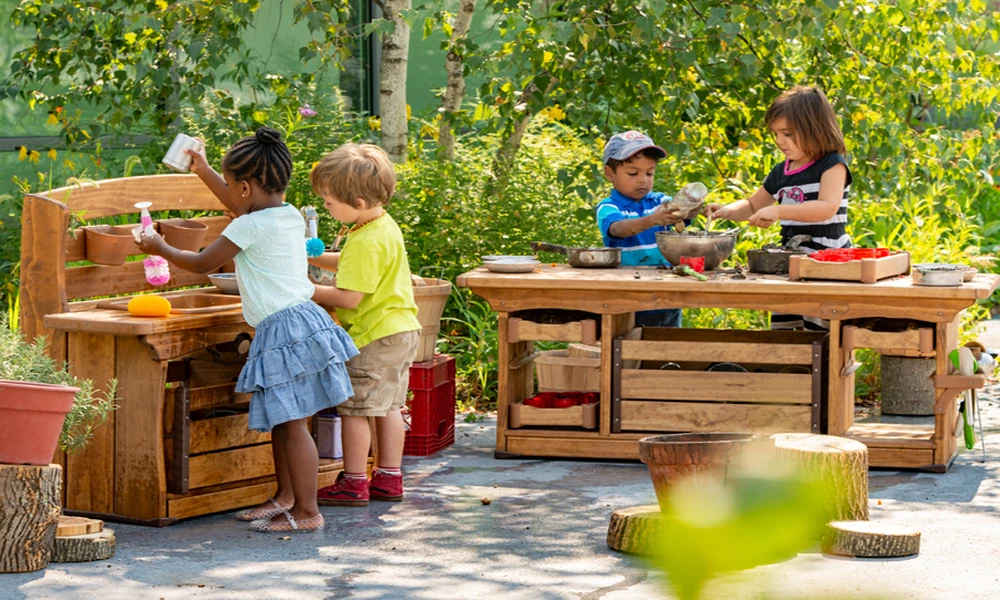
The preschool years are a time of incredible discovery. Young children learn best by doing, engaging directly with the world around them.
A core part of this growth involves mastering everyday practical life activities. These tasks form the heart of a Montessori education, designed to nurture independence and coordination.
Resources like Montessori Compass and NAMC manuals offer trusted frameworks. They help caregivers create a rich learning environment at home.
Specialist organisations, such as Eilmar Montessori, provide further clarity. Their approach, often referred to as Eilmar, gives parents structured ways to teach these essential life skills.
These engaging exercises are suitable for little ones from a few months old up to four years of age. They transform daily care routines into opportunities for building confidence.
Developing such abilities early helps a child manage the daily face of growing up. It prepares them for more complex tasks in the coming years.
We encourage you to visit our site for more detailed posts and ideas. Discover how to support your toddler’s journey during this formative year.
Key Takeaways
- The preschool period is a vital stage for learning through hands-on experience.
- Practical life activities are a fundamental component of the Montessori framework.
- Authoritative resources like Montessori Compass provide structured curriculum guidance.
- Eilmar Montessori offers a clear methodology for implementing these practices at home.
- These tasks are appropriate for a wide age range, from infancy through the preschool years.
- Early skill development fosters a child’s independence and self-confidence.
- Additional support for integrating learning into daily care is readily available.
Understanding Practical Life in Montessori Environments
Maria Montessori’s pioneering work established a framework where everyday tasks become tools for development. Her philosophy centres on the child’s innate drive to engage with the real world.
This approach transforms routine actions into meaningful practical life activities.
History, Philosophy and Principles
In her 1946 London Lectures, Dr Montessori emphasised purposeful movement as the core of this learning. She believed such movement was vital for children of all ages.
These life activities are traditionally categorised into four areas. They include caring for oneself and for the surrounding environment.
Grace, courtesy, and the movement of objects are also key parts. Each activity is designed to build coordination and focus.
Modern Methodologies Inspired by Eilmar Montessori
Contemporary approaches, like those from Eilmar Montessori, build on this foundation. Eilmar advocates for a prepared space where a toddler can participate fully.
Simple tasks, such as pouring water or preparing a simple food item, are encouraged. These actions help develop language and deep concentration over many months.
Understanding this philosophy allows adults to better support the child. By observing, we can introduce new ways to refine each skill.
Every task serves a clear purpose in the learning journey. This care for the environment and self fosters the self-esteem needed for future growth.
Implementing Montessori Practical Life Skills for Preschool Children
A thoughtfully arranged environment empowers young learners to engage with meaningful tasks independently. This is where theory becomes practice.
Creating a Child-Centred Learning Environment
Schools like Blossoms Montessori use large, sturdy tables and chairs. This setup allows pupils to work comfortably on real practical life activities.
The curriculum is built on four core areas. These are preliminary exercises, care for the environment, care for the person, and grace and courtesy.
A toddler might practise pouring water or offering a greeting. Mastering each life skill builds crucial independence over many months.
Fine motor development is nurtured through specific tasks. Using tongs to transfer objects or a spoon to serve food are perfect examples.
Children also learn order by folding cloths or wiping a table. These actions teach respect for their space and self.
Play is woven into all these activities. This keeps young minds motivated, especially for those around age three.
Benefits and Real-Life Application of Practical Life Skills
Real-life practice translates into tangible improvements in a child’s coordination and self-reliance. These benefits are clear when everyday tasks are woven into the daily routine.
Such activities offer more than just keeping busy. They build a foundation for managing one’s own care and environment.
Enhancing Fine Motor Skills and Coordination
Developing fine motor skills is essential for later writing and tool use. An activity like hammering nails is perfect for children around age four.
It strengthens hand-eye coordination and grip. This refines their motor skills for handling other tools with greater precision.
Developing Independence Through Everyday Tasks
Learning a life skill, such as folding a T-shirt around age three and a half, builds immense confidence. Children gain pride in caring for their own clothes.
They learn to manage their space by washing hands or setting the table. Each small success fosters a sense of capability.
Expert Insights from Eilmar
Specialists like those from Eilmar emphasise consistency. They note that progress unfolds over many months of gentle practice.
“True mastery comes from repeated, purposeful engagement with real objects. It’s in the doing that understanding deepens.”
This approach highlights the value of patience. We encourage parents to visit dedicated resources for more ideas to support their toddler.
| Activity | Approximate Age | Primary Skills Developed |
|---|---|---|
| Hammering Nails | Around 4 years | Hand-eye coordination, grip strength, focus |
| Folding a T-shirt | Around 3.5 years | Sequential thinking, fine motor control, self-care |
| Setting the Table | 3 to 4 years | Order, spatial awareness, responsibility |
Conclusion
From toddlerhood onwards, purposeful activity lays the groundwork for lifelong learning habits. These practical life activities offer young children the essential tools to become capable and independent.
By focusing on fine motor skills and coordinated movement, a child develops deep concentration. This focus is vital for more complex tasks in later years.
Whether through caring for the environment or mastering self-care, these skills build a resilient foundation. Consistent practice over several months allows a toddler to face new challenges with confidence.
The montessori practical life approach ultimately fosters a lasting love for discovery. It supports every child in navigating the stages of development with grace and skill.