

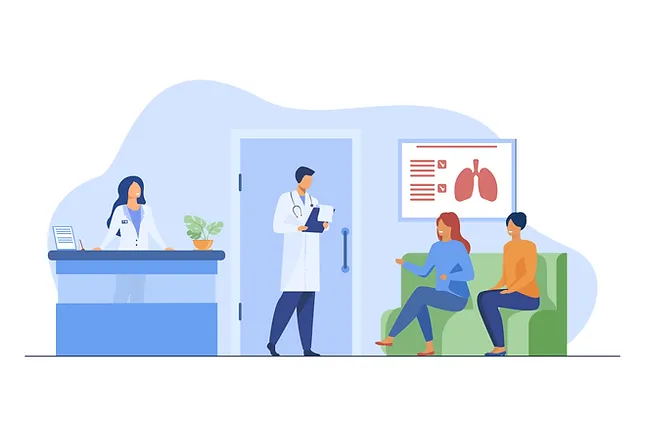
Traditional medical clinics face overwhelming patient volumes, creating extensive waiting periods and delayed care access. Virtual healthcare solutions have emerged as effective methods for redistributing patient loads and providing immediate medical attention for non-emergency conditions. Digital platforms enable healthcare systems to handle routine consultations efficiently while preserving in-person appointments for complex medical cases. Patients managing ongoing care may find it convenient to schedule check-ins via NextClinic. This redistribution allows traditional clinics to focus resources on patients requiring hands-on examinations, procedures, and urgent care that cannot be delivered remotely.
Capacity relief phenomenon
Healthcare facilities across the globe report dramatic improvements in appointment availability following the integration of virtual consultation services. Virtual consultations successfully handle approximately 30-40% of routine medical appointments that previously required physical clinic visits, creating immediate capacity relief for overwhelmed healthcare facilities. Simple consultations for common conditions like respiratory infections, skin conditions, and medication management transition seamlessly to digital platforms without compromising care quality. Using online doctors at NextClinic manage routine healthcare interactions that previously consumed important clinic resources while maintaining appropriate medical oversight and patient safety standards.
Emergency departments experience reduced non-urgent visits when patients can access immediate virtual consultations for conditions that don’t require emergency intervention. Many patients visit emergency rooms due to the inability to secure timely primary care appointments, a problem that virtual platforms address through same-day availability. Healthcare systems report measurable improvements in appointment availability and reduced patient wait times following the implementation of comprehensive telemedicine programs that complement traditional care delivery models.
Instant medical access revolution
The transformation of healthcare delivery through digital platforms fundamentally changes how patients access medical care during critical moments when symptoms first appear.
- Virtual platforms provide immediate prescription renewals without requiring scheduled appointments
- Same-day sick notes and medical certificates eliminate urgent clinic visits for routine documentation
- Rapid specialist consultations reduce referral delays and secondary appointment waiting periods
- Immediate mental health support prevents crisis escalation requiring emergency intervention
- Quick medication adjustments avoid treatment interruptions that could worsen medical conditions
Digital healthcare platforms offer same-day consultations that eliminate traditional appointment scheduling delays, providing patients with immediate medical attention when symptoms first appear. This rapid access prevents minor conditions from worsening into complex problems requiring extensive treatment and longer clinic appointments. Early intervention through virtual consultations often resolves health issues before requiring multiple follow-up visits.
Twenty-four-hour availability through virtual platforms handles medical concerns outside traditional clinic hours, reducing demand for urgent care centres and emergency departments during peak periods. After-hours virtual consultations address medical questions and concerns that might otherwise result in emergency room visits or delayed treatment until the clinic reopens.
Systematic workflow optimization
Prescription refills, routine check-ups, and chronic disease monitoring transition effectively to virtual platforms, freeing clinic appointment slots for patients requiring physical examinations and procedures. Diabetic monitoring, blood pressure management, and medication reviews occur efficiently through digital consultations while maintaining appropriate medical oversight. These routine interactions no longer consume valuable clinic time that can be redirected toward more complex medical cases.
Annual wellness visits incorporate virtual components that reduce in-person appointment duration, while chronic disease follow-ups occur virtually between scheduled clinic visits for continuous monitoring. Medication side effect assessments happen immediately without waiting for the next available clinic appointment, and routine mental health check-ins occur regularly without consuming limited psychiatry appointment slots. The strategic implementation of virtual healthcare delivery creates sustainable solutions for healthcare capacity challenges while maintaining quality medical care through innovative service delivery models.