

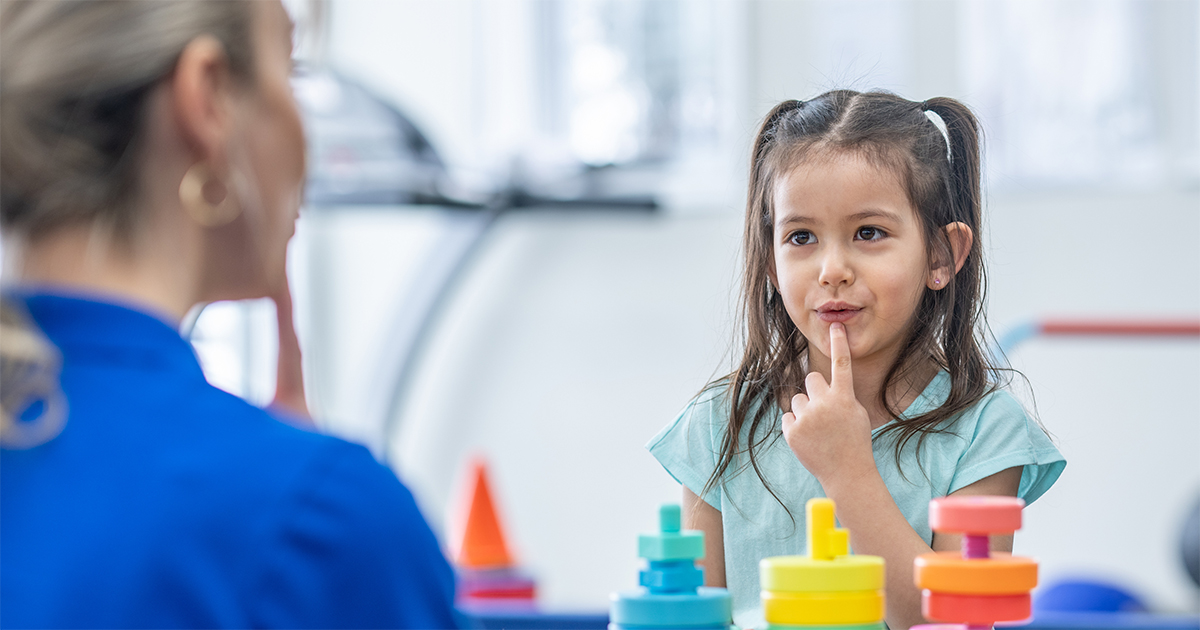
The journey towards clear communication begins long before a child speaks their first words. Foundational abilities like making eye contact, shared attention, and turn-taking form the essential building blocks for all future language and communication growth.
Research consistently demonstrates that babies with responsive caregivers tend to develop larger vocabularies. They often reach their language milestones sooner. This highlights how everyday interactions significantly influence a young child‘s development.
This article aims to provide parents and professionals with practical, evidence-based strategies. The focus is on supporting a child‘s natural communication journey. These approaches work within daily routines and play, rather than relying on formal instruction alone.
Every adult in a child‘s life plays a crucial role. Supporting early language is not about perfection. It is about understanding key principles and applying them consistently in natural, engaging settings.
Key Takeaways
- Fundamental communication skills develop well before a child’s first spoken words.
- Responsive interactions with caregivers directly support vocabulary growth and milestone achievement.
- Effective support integrates seamlessly into daily routines, play, and natural interactions.
- All adults in a child’s environment contribute significantly to their communication development.
- Practical strategies focus on consistency and engagement rather than perfection or special training.
- Early support creates a strong foundation for future speech and language abilities.
- Evidence-based approaches empower caregivers to foster communication growth confidently.
Introduction to Early Speech and Language Development
Communication growth begins with basic social connections that babies form with caregivers. These interactions create the foundation for all future language development.
The language pyramid model shows how complex skills build on simpler ones. Attention, listening, and social play form the base. These abilities support higher-level language and communication skills.
Young children learn through daily interactions with people around them. Understanding typically develops before speaking ability. This process unfolds gradually over time.
Two main pathways guide how children acquire language:
| Processing Style | Starting Point | Development Path | Common Characteristics |
|---|---|---|---|
| Analytical | Single words | Builds to phrases and sentences | Common in many young children |
| Gestalt | Whole phrases | Breaks down to individual words | Often uses echolalia initially |
Most children use a combination of both approaches. Individual variation is normal in language development. Milestones provide guidance, but each child progresses uniquely.
Families play the most important role in supporting their child‘s growth. Daily interactions during the early years create rich learning opportunities. Consistent, responsive engagement makes the biggest difference.
Understanding Early Communication in Children
From the earliest months, babies demonstrate remarkable communicative abilities through visual connection and shared focus. These foundational skills emerge well before a child speaks their first words.
Effective early communication builds on basic social interactions that create rich learning opportunities. Caregivers play a crucial role in supporting this natural development.
Importance of Joint Attention and Eye Contact
Joint attention represents a significant milestone in a baby‘s development. This occurs when two people share focus on the same object or activity.
Research shows fascinating neurological connections during these interactions. When adults and infants maintain eye contact, their brainwaves synchronise. This connection encourages more vocalisations from the child.
Between 8 and 15 months of age, children begin engaging in joint attention. This skill strongly influences vocabulary growth over time. Youngsters learn words most effectively when hearing them while looking at corresponding objects.
| Communication Type | Examples | Developmental Significance |
|---|---|---|
| Verbal Signals | Babbling, early words, vocalisations | Builds foundation for spoken language |
| Non-Verbal Signals | Eye contact, pointing, facial expressions | Establishes basic social connection |
| Body Language | Gestures, posture, physical positioning | Supports emotional expression and intent |
Recognising Non-Verbal Signals
Children use their entire body to communicate long before mastering speech. These signals include pointing, facial expressions, and emotional displays.
A practical example might involve a baby looking at a desired toy then back at an adult’s face. This simple action demonstrates understanding that communication can influence others.
Recognising and responding to these signals validates a child‘s attempts at communication. It teaches them that their actions matter. This encouragement supports continued development over time.
Positioning yourself at the child‘s level makes your facial expressions and body language more visible. This creates better learning opportunities during everyday interactions.
Implementing Speech Therapy Techniques for Early Childhood Development in Daily Routines
Everyday moments present countless opportunities to nurture a child’s growing communication skills. Rather than setting aside special time, parents can integrate support into regular activities. This approach makes learning feel natural and enjoyable.
Incorporating Techniques into Playtime
Play offers the perfect context for language growth. When a child drives toy cars along walls, join them with your own vehicle. Mirroring their actions builds connection.
Following the child’s lead helps adults recognise optimal teaching moments. Watch for when they’re receptive to new words. Also notice when they’re too engaged for interruption.
Daily routines provide consistent repetition that reinforces learning. Mealtimes, dressing, and shopping trips all create natural talking opportunities. Each small interaction contributes significantly over time.
| Daily Activity | Communication Opportunities | Practical Example |
|---|---|---|
| Mealtimes | Naming foods, describing tastes | “This carrot is crunchy and orange” |
| Getting Dressed | Body part vocabulary, clothing items | “Let’s put on your blue socks” |
| Car Journeys | Describing surroundings, sequencing | “First we see shops, then the park” |
| Bath Time | Action words, water play language | “The duck is floating on the water” |
Quiet time without distractions creates ideal learning conditions. Brief, focused interactions throughout the day accumulate into substantial language input. This approach proves more effective than occasional intensive sessions.
Building a Language-Rich Environment at Home
Transforming ordinary household moments into rich language learning opportunities requires intentional communication strategies. The home environment significantly influences how children acquire and use language.
Engaging Through Questions and Comments
Many adults use testing questions where they already know the answer. For example, asking “What colour is that?” can pressure a child into one-word responses.
Comments often create richer conversations. Saying “I love this purple car” invites the child to share their thoughts freely. This approach reduces pressure and encourages more complex language.
Open-ended questions starting with Who, What, When, Where and Why yield better results. Research shows these prompts lead to longer conversations with diverse vocabulary.
Story Time and Nursery Rhymes
Looking at books together provides excellent word exposure. Children learn new vocabulary through pictures and context. Repetition of favourite stories helps secure this learning.
Nursery rhymes teach words, actions, and sound patterns. The rhythmic nature helps children notice speech sounds. This foundation supports future literacy skills.
Practical tips include following the child’s interest during reading time. Focus on what captures their attention rather than reading every word. This makes the experience more engaging.
Expert Advice from Chattertots Speech Therapy
Developing strong communication abilities in young children relies on a fundamental framework of three interconnected elements. Chattertots Speech Therapy emphasises this approach in their family-centred methodology.
Proven Strategies for Enhancing Communication
Children require three essential components to build their communication skills effectively. They need appropriate means to express themselves, genuine opportunities to interact, and meaningful reasons to communicate.
This framework recognises that language development involves more than just teaching words. It considers the entire communication environment surrounding the child.
Communication skills connect deeply with other learning areas. Supporting language growth positively impacts social abilities, emotional regulation, and cognitive development.
| Essential Element | Parental Support Strategy | Practical Example |
|---|---|---|
| Means of Communication | Provide words, gestures, or signs | Teaching “more” with hand gesture |
| Opportunities to Communicate | Create daily interaction moments | During dressing or mealtimes |
| Reasons to Communicate | Establish genuine needs | Placing favourite toy just out of reach |
Parents can apply this framework through simple adjustments. Creating small obstacles gives children reasons to communicate without causing frustration.
Pausing before providing items or offering partial portions encourages interaction. The key is balancing challenge with support.
Adult responsiveness remains crucial. When caregivers acknowledge communication attempts, children learn their efforts have power. This reinforcement builds confidence.
Expert advice consistently highlights interaction quality as the most significant factor. Responsive, engaged caregivers make the greatest difference in a child’s communication journey.
Innovative Approaches by Chattertots
Individual differences in communication development require tailored strategies that respect each child’s natural learning style. Chattertots embraces this personalised approach, recognising that effective support builds from existing strengths.
Adapting Techniques to Meet Individual Needs
Every child develops language in unique ways. Some children use analytical processing, building from single words to phrases. Others prefer gestalt processing, starting with whole phrases before breaking them down.
Communication includes both verbal and non-verbal methods. Verbal communication involves babbling, words, and sentences. Non-verbal methods include gestures, pointing, and facial expressions.
Adults should recognise a child’s preferred communication style. This validation builds confidence and encourages further development. Tailored activities make learning more engaging for each individual child.
Utilising Visual and Interactive Supports
Visual supports enhance understanding for many children. Pictures, symbols, and communication boards provide clear information. These tools help children process language more effectively.
Interactive materials keep children engaged in learning. Technology, apps, and hands-on activities make practice enjoyable. These supports adapt to different ages and skill levels.
| Support Type | Practical Examples | Developmental Benefits |
|---|---|---|
| Visual Aids | Picture cards, visual schedules | Enhances comprehension and recall |
| Interactive Tools | Communication apps, hands-on games | Increases engagement and motivation |
| Multi-sensory Materials | Textured objects, sound-making toys | Supports different learning styles |
These innovative approaches respect neurodiversity and individual differences. They provide multiple ways for children to develop essential communication skills.
Supporting Children with Speech and Language Challenges
Recognising the signs of specific speech and language challenges is a crucial step for parents. This information helps families understand when professional support may benefit their child.
Around 5% of children experience stammering, particularly between two and five years of age. This may involve repeating parts of words or short words, stretching out sounds, or getting stuck on the first sound.
Strategies for Managing Stammering
Parents might notice their child uses body movements to help get words out during talking. They may show facial tension or avoid eye contact.
Practical strategies can help child fluency. Reduce time pressure during conversations. Maintain natural eye contact and allow your child to finish their thoughts without interruption.
Addressing Dysphagia and Voice Disorders
Difficulties with swallowing (dysphagia) present different challenges. Signs include coughing before swallowing, gagging, or extended meal times.
Voice disorders most frequently affect children between 7 and 12 years old. Hoarseness lasting over three weeks warrants medical assessment.
| Challenge | Common Signs | Support Approach |
|---|---|---|
| Stammering | Repetitions, sound prolongations, blocks | Reduce pressure, allow completion |
| Dysphagia | Coughing, gagging, prolonged meals | Medical assessment, modified textures |
| Voice Disorders | Hoarseness, pitch changes, vocal effort | ENT referral, vocal hygiene |
While some challenges resolve naturally, others benefit from professional support. Early identification typically leads to better outcomes for children‘s communication skills.
This information provides a clear example of when to seek additional help. Remember that these challenges don’t reflect on parenting or a child‘s intelligence.
Integrating Parental Involvement in Speech Therapy
Family members serve as the primary architects of a child‘s communication foundation. Research consistently shows that responsive parents significantly influence vocabulary growth and milestone achievement.
Youngsters need to hear words repeatedly before they can fully child understand and use them. This natural process occurs most effectively through daily interactions.
Empowering Parents with Practical Tips
Getting down to the child‘s level creates better face-to-face interaction. Reducing background noise helps children focus on important words.
Keeping sentences short supports learning. Repeating key words multiple times helps a child grasp new language skills.
Contingent talk involves noticing what captures a child‘s attention. Commenting on their focus boosts language development with lasting effects.
Pausing after questions gives children time to formulate responses. Adding one word to their utterances models slightly more complex communication.
These top tips help integrate support naturally into daily routines. Parents create meaningful opportunities that build essential skills.
Every parent possesses unique knowledge about their child‘s interests and preferences. This understanding makes family members ideal people for supporting communication skills.
Practical advice focuses on helping child development through consistent, responsive interaction. This approach makes a significant difference in helping child progress.
Engaging Activities and Resources for Early Speech Development
The right combination of books, games, and digital tools creates an enriching environment for language growth. These resources help children build vocabulary through enjoyable, interactive experiences.
Using Books, Nursery Rhymes and Interactive Games
Offering a child two visible choices, like “Do you want a banana or an orange?”, provides excellent learning opportunities. Children link heard words to seen objects, naturally expanding their vocabulary.
Shared reading develops multiple communication skills simultaneously. Research shows children learn more new words when hearing the same stories repeatedly.
“Repetition allows young minds to consolidate learning and recognise patterns in language.”
Interactive games using everyday items teach practical language skills. A toy car can demonstrate action words like pushing and reversing.
| Activity Type | Language Focus | Practical Example |
|---|---|---|
| Book Sharing | Vocabulary, storytelling | Repeating favourite stories |
| Nursery Rhymes | Sounds, rhythm patterns | Action songs with gestures |
| Choice Games | Word-object association | Selecting between two items |
Exploring Digital Tools and Practical Resources
Digital tools should supplement rather than replace human interaction. High-quality educational apps can support language development when used selectively.
Everyday household items provide rich learning opportunities without expensive purchases. Building blocks teach positional words like “on” and “under”.
Free resources like library services and community sessions offer valuable support. The most effective activities promote interaction between child and caregiver.
Conclusion
Building strong communication foundations transforms everyday moments into powerful learning opportunities. Every adult can support a child‘s natural language development through responsive interactions that feel like natural conversation rather than formal instruction.
These approaches validate each child‘s unique way of expressing themselves. Whether they use words, gestures, or other methods, responsive engagement encourages continued growth. Creating a rich environment doesn’t require special resources—just thoughtful attention to daily interactions.
Parents and caregivers are their child‘s first teachers. By choosing one or two strategies to focus on initially, adults can observe how their child responds. Small, consistent changes make a significant difference over time.
When children face specific challenges, recognising when to seek support is important. The communication skills built through these daily interactions provide a strong foundation for future success in all areas of life.
FAQ
What are the earliest signs of communication skills in a baby?
Early communication skills begin long before a child says their first words. Parents might notice their baby using eye contact, different cries for different needs, cooing sounds, and gestures like pointing. These non-verbal signals are the foundation for language development.
How can parents help their child learn new words during daily activities?
A great way to help a child learn new words is to talk about what you are doing together. For example, during a car journey, name the things you see. At mealtimes, describe the food and body parts like ‘mouth’. Using simple sentences and repeating words helps a child understand and use them.
Why are nursery rhymes and books important for language development?
Nursery rhymes and books are excellent for building attention and listening skills. The rhythm and repetition in rhymes make it easier for children to remember sounds and words. Reading a book together encourages interaction, expands vocabulary, and introduces sentence structure in a fun way.
When should a parent seek advice about their child’s talking?
If a parent has concerns about their child’s communication skills, it is best to seek advice early. Key signs to watch for include a lack of babbling by 12 months, not using single words by 18 months, or struggling to join words into short sentences by two years. A speech and language therapist can provide an assessment and helpful tips.
What are some simple activities to encourage a child’s attention and listening?
Simple activities that build attention include playing peek-a-boo, singing action songs, and looking at picture books. Asking the child to find a specific toy or listening for a sound in the environment are also effective ways to develop these crucial skills for language communication.